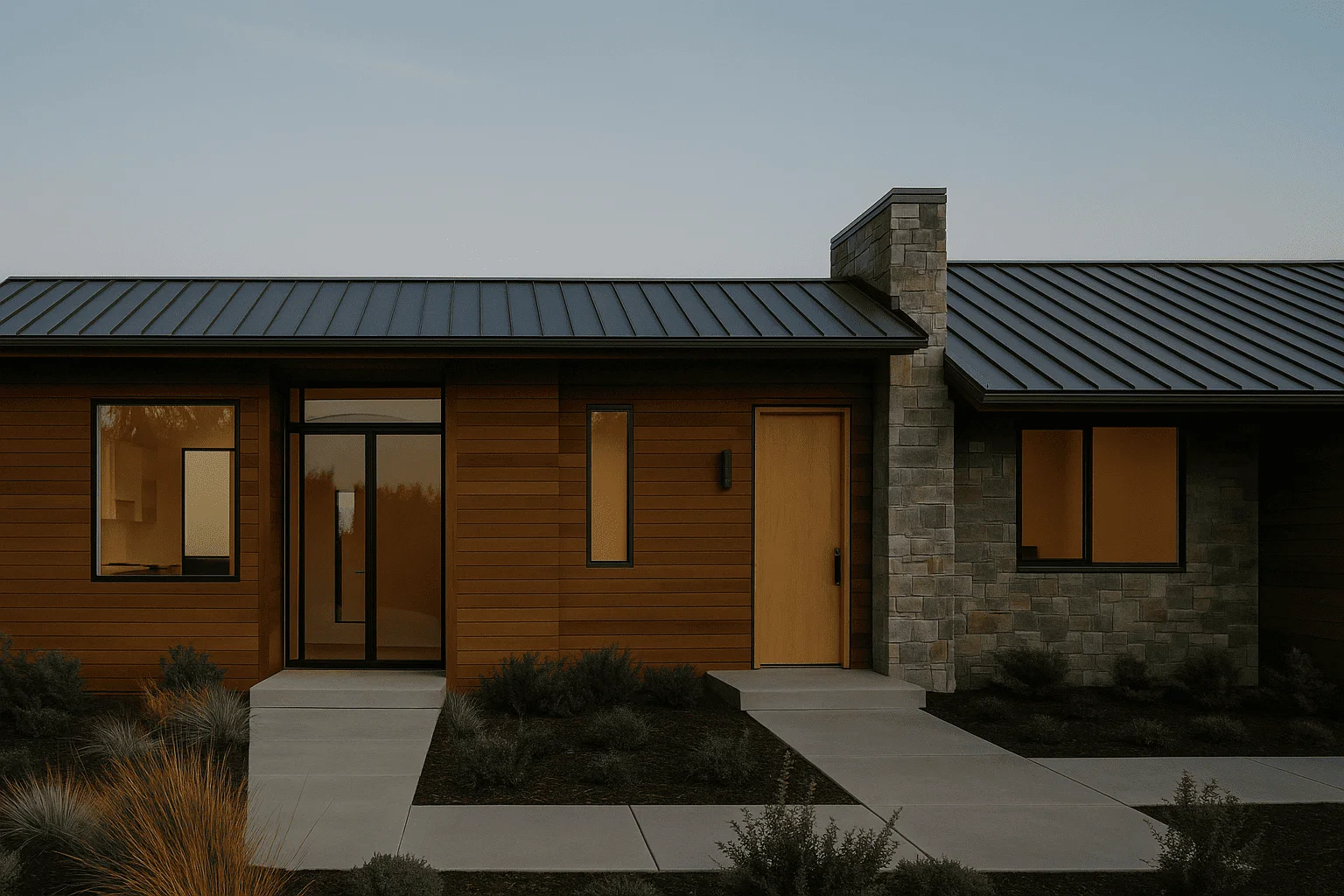
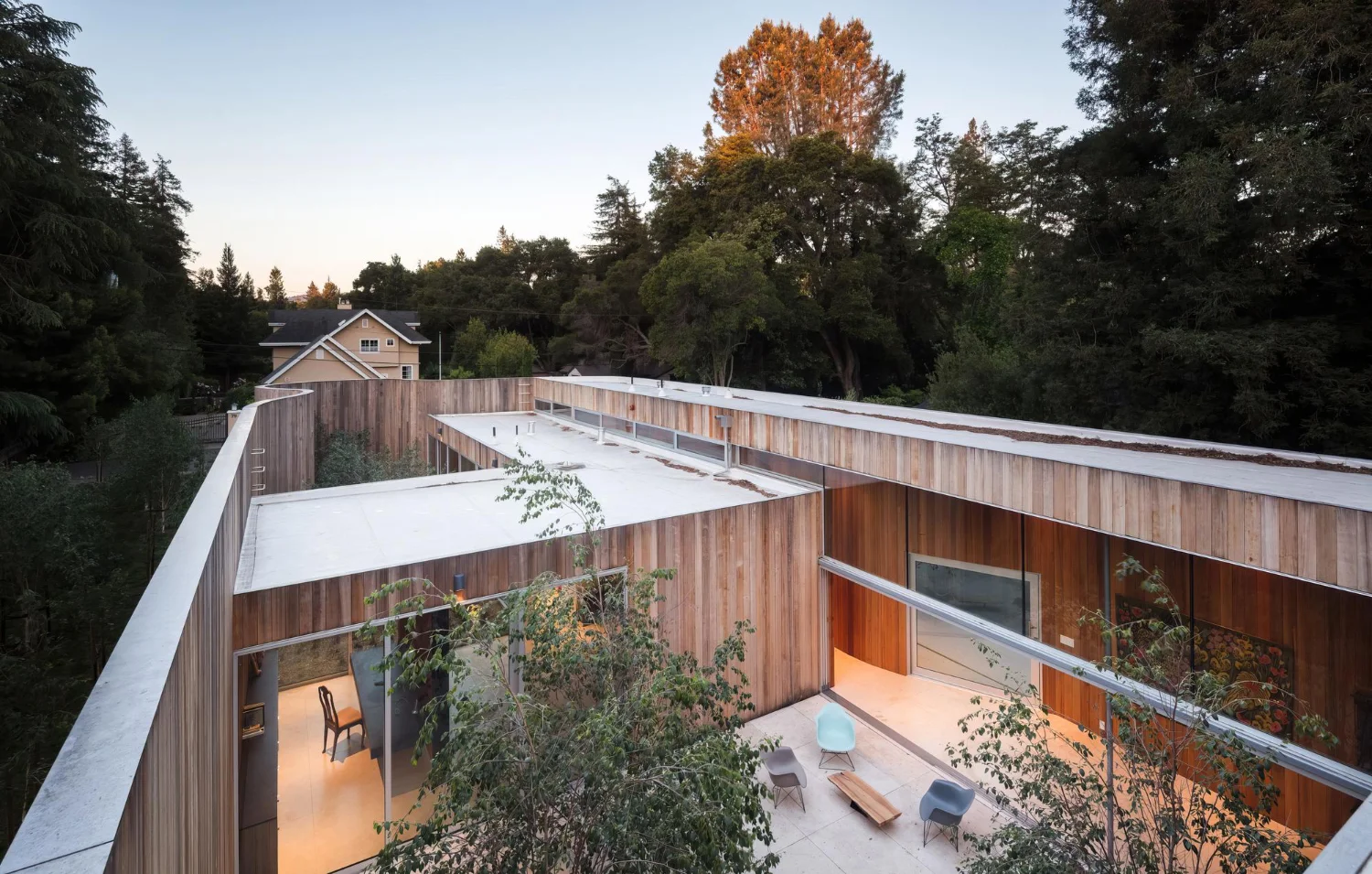
It’s vital to appreciate how modern prairie style architecture embodies sustainable practices while harmonizing with Alberta’s unique landscape. This design ethos emphasizes local materials, energy efficiency, and an aesthetic that complements the vast natural surroundings, allowing you to create spaces that reflect both environmental consciousness and cultural heritage. By integrating these principles, your home can serve as a testament to sustainable living, providing comfort while respecting the land that surrounds it.
Historical Context
Modern Prairie style architecture in Alberta draws deeply from historical influences that shaped the region’s identity. The late 19th and early 20th centuries were pivotal, as settlers brought diverse influences, merging them with local materials and landscapes. This architectural form emerged as a response to the unique environmental conditions and social needs of the time, blending functionality with aesthetic simplicity reflective of the expansive prairies.
Evolution of Prairie Style
The evolution of Prairie style began in the early 1900s, influenced by architects like Frank Lloyd Wright. You can trace its roots through a local lens, where the style adapted to Alberta’s natural landscape, using horizontal lines and organic materials to enhance its integration with the surrounding environment. This evolution resulted in structures that not only speak to the landscape but also prioritize sustainable practices, maximizing energy efficiency and minimizing environmental impact.
Inspirations from Indigenous Architecture
Indigenous architecture has profoundly influenced modern Prairie style, providing insights into sustainable design principles and the importance of harmony with nature. Traditional Indigenous structures utilized local resources and reflected an understanding of the land and climate, setting a precedent for contemporary architects. By incorporating these elements, you can create a more meaningful and contextually relevant architectural narrative. The use of natural materials such as wood and earth in Indigenous architecture underscores a sustainable approach that modern Prairie style embraces. Traditional structures like the tipis and longhouses offered adaptable designs, representing a deep connection to the environment. You might notice materials in contemporary designs echoing the textures and forms found in these Indigenous practices. This synergy not only honors the cultural heritage but also informs environmentally responsible choices, creating buildings that resonate with the land’s history and ecology.
Key Characteristics
Modern Prairie Style integrates elements that celebrate Alberta’s landscape, focusing on harmony with the surroundings. You’ll notice wide, flat rooflines that mimic the horizon, open floor plans to enhance spatial flow, and large windows inviting natural light and views. Exterior materials such as wood and stone reflect the local environment, while earthy color palettes blend seamlessly with prairie views. This architectural approach emphasizes sustainability through energy efficiency and thoughtful site orientation.
Design Principles and Aesthetics
In Modern Prairie Style, you experience a blend of functionality and artistic expression. Open, airy interiors often feature exposed beams, large communal spaces, and minimalistic decor that accentuates natural materials. You can expect to see a predominance of horizontal lines that echo the vastness of the plains, creating an inviting yet sophisticated atmosphere that aligns with contemporary living.
Material Choices and Sustainability
Choosing the right materials is a cornerstone of Modern Prairie Style, closely tied to sustainable practices. You are likely to see the use of locally-sourced resources such as timber, stone, and recycled metals. This not only reduces transportation emissions but also ensures that your home resonates with the local culture and environment.
Integrating sustainable practices in material choices goes beyond aesthetics; it reflects a commitment to environmental stewardship. Utilizing reclaimed wood not only reduces deforestation but also adds unique character to your home. You might explore options like bamboo flooring or hemp insulation, both of which offer eco-friendly alternatives that promote healthier living spaces. Furthermore, implementing energy-efficient systems, such as solar panels and high-performance windows, aligns your living environment with your sustainability goals, making Modern Prairie Style a thoughtful choice for the conscientious homeowner.
Contemporary Applications Of Modern Prairie Style
Modern prairie style melds innovative design and sustainable practices to create homes that reflect the beauty of Alberta’s environment. These contemporary applications emphasize open floor plans, large windows, and natural materials, allowing for a seamless flow between indoor and outdoor spaces. This approach not only enhances the living experience but also supports energy efficiency by maximizing natural light and reducing reliance on artificial heating and cooling.
Eco-Friendly Innovations
Innovative eco-friendly materials and technologies are central to modern prairie style architecture. You’ll find homes featuring solar panels, rainwater harvesting systems, and locally sourced building materials, minimizing the carbon footprint. Moreover, energy-efficient appliances and smart home technologies enhance sustainability while offering convenience and comfort in your living space.
Integration with Alberta’s Landscape
Integration with Alberta’s landscape drives the design of modern prairie style homes, creating a dialogue between architecture and nature. You can appreciate how the homes complement the undulating hills and open skies, with earthy tones that reflect the surrounding environment. The incorporation of native vegetation in landscaping further strengthens this connection, fostering a harmonious balance.
In practical terms, integrating your home with Alberta’s landscape means designing with specific geographic features in mind. For instance, using the home’s orientation to take advantage of sunlight can reduce energy consumption, while building techniques that account for prevailing winds ensure natural ventilation. This design ethos not only respects Alberta’s natural beauty but also contributes to the overall sustainability of your living environment. By utilizing local materials and implementing site-specific strategies, your home can embody a deep sense of place, blending effortlessly into the prairie backdrop.
Challenges and Considerations
Implementing modern prairie style architecture involves various challenges that require careful consideration. Balancing aesthetic appeal with practical sustainability can be complex, as you must navigate local regulations, material sourcing, and construction practices that align with eco-friendly principles. Each decision impacts both the environment and the community, making it crucial to approach these challenges with a comprehensive strategy.
Environmental Factors
Climate and geographical conditions in Alberta present unique challenges for sustainable building. Factors such as snowfall, temperature fluctuations, and natural vegetation must be addressed to ensure durability and energy efficiency. You should consider the following:
- Utilizing locally sourced materials reduces transportation impacts.
- Incorporating passive solar design can enhance energy efficiency.
- Utilizing drought-resistant landscaping to minimize water usage.
- Thou must prioritize projects that preserve natural habitats.
Community Engagement
Engaging with the community is vital for the success of modern prairie style projects. Collaboration with local residents ensures that designs resonate with the collective identity and culture, incorporating their insights into the planning process. Community input can lead to innovative solutions and stronger, more resilient neighborhoods.
Your involvement extends beyond mere consultation. Hosting workshops and feedback sessions creates opportunities for dialogue, allowing you to understand residents’ wishes and concerns. By aligning architectural goals with community values, you foster a sense of ownership and pride in the project. For instance, initiatives like community gardens or local art installations can enhance public spaces, reflecting the unique character of the area while promoting environmental sustainability. This collaborative approach not only uplifts the project’s vision but also strengthens community ties.
Future of Modern Prairie Style
The future of modern prairie style lies in its adaptability, drawing inspiration from Alberta’s diverse ecosystems. As environmental concerns intensify, this architectural approach will increasingly integrate renewable materials and energy-efficient technologies, solidifying its position as a leader in sustainable design. By emphasizing the relationship between built environments and natural landscapes, modern prairie style offers a blueprint for resilient living that resonates with the values of future generations.
Trends in Sustainable Design
Emerging trends in sustainable design focus on biophilic elements, such as green roofs and living walls, which enhance biodiversity and improve air quality. You may observe a shift towards using locally sourced materials, enabling lower carbon footprints and fostering regional economies. Additionally, smart home technology is becoming integral, optimizing energy consumption and promoting a more sustainable lifestyle.
Potential for Growth in Alberta
Alberta’s potential for growth in modern prairie style architecture is immense, given its rich natural resources and commitment to sustainability. A rising demand for eco-friendly housing, paired with governmental incentives for greener building practices, positions the province as a leader in innovative construction. This trend will not only create jobs but also enhance community resilience as you embrace more sustainable living options.
With Alberta’s expansive landscapes and a cultural shift towards sustainability, the architecture sector is ripe for a transformation. The province’s favorable policies and support for innovative building practices can drive a boom in modern prairie style homes. By encouraging larger-scale projects that prioritize environmental consciousness, Alberta can attract skilled professionals and investments, stimulating economic growth while preserving the charming essence of its natural surroundings.
Case Studies
Exploring successful modern prairie style projects provides valuable insights into sustainable architecture that harmonizes with Alberta’s unique landscape. Each case exemplifies different aspects of design, material selection, and environmental integration, demonstrating how sustainability meets aesthetic appeal.
- Riverbend Residence: Located in Calgary, this home features solar panels, passive heating, and reclaimed timber. Achieved a 30% reduction in energy costs.
- Prairie View Cabin: Nestled in the foothills, this project used local stone and wood, successfully blending with the environment. Enhanced insulation led to a 40% decrease in heating needs.
- Urban Oasis: An adaptive reuse of a warehouse into residential units, incorporating green roofs and communal gardens, reducing urban heat by 25%.
- The Green House: Designed for a family in Edmonton, it boasts a greywater recycling system and high-efficiency windows. It claims a 50% reduction in water consumption compared to traditional homes.
Successful Modern Prairie Projects
Each featured project showcases innovative approaches to sustainable living, emphasizing energy efficiency and local materials. By selectively integrating natural elements and state-of-the-art technology, these homes exemplify how modern prairie style can meet the demands of contemporary residents while respecting the environment.
Lessons Learned from Implementation
Experiences from these projects highlight best practices in sustainable architecture. Key takeaways include the significance of site selection, the benefits of using local materials, and the necessity for community involvement in design processes.
Collectively, these lessons underscore the importance of thorough planning and collaboration with stakeholders, including architects, Edmonton home builders, and the community. Utilizing renewable energy sources and prioritizing eco-friendly materials can lead to long-term savings and increased property value. Prioritizing adaptability in design ensures homes remain functional as needs evolve, enriching both the environment and lifestyle of residents. Establishing a feedback loop with occupants post-implementation offers insights into user experiences, guiding future projects in modern prairie style architecture.
Modern Prairie Style Homes Conclusion
Ultimately, embracing Modern Prairie Style allows you to harmonize your living space with Alberta’s unique landscape while prioritizing sustainability. This architectural approach emphasizes natural materials and energy-efficient designs that resonate with your environment. By incorporating these principles, you contribute to a legacy of responsible living, enhancing both your home’s aesthetic appeal and its ecological footprint. As you explore options, consider how this style not only reflects your values but also fosters a deeper connection to the land you call home.